My Records

Report parameters

Select the taxon group to return data for, or leave for all groups

ID Species Common location_id Site name SRef Date Zero Abundance Taxon Group
No information available
first prev next last
No records

Submit a sighting of Andrena fulva (tawny mining-bee)

Reporting your sightings of Andrena fulva

For the first time, BWARS has enabled online recording for this characteristic spring-flying species of bee. No dedicated recording effort of this species has been launched in Britain before and an accurate picture of its current distribution is lacking. Questions we are keen to address include:

  1. What is its current range and distribution - especially in Scotland and Ireland?
  2. Is there any sign of range change since the BWARS atlas was published?
  3. What nesting sites are being used?
  4. How densely are nests aggregated?
  5. Are there any observations of the special parasite, Nomada signata
  6. Which flowers are being visited?

If you have any records of this colourful solitary bee, please submit the full details via this online recording platform. There is a facility for uploading photographs to support records if you have them. Please include any information on numbers, sexes, flower visitation, nesting sites and behaviour in the "Comments" section.
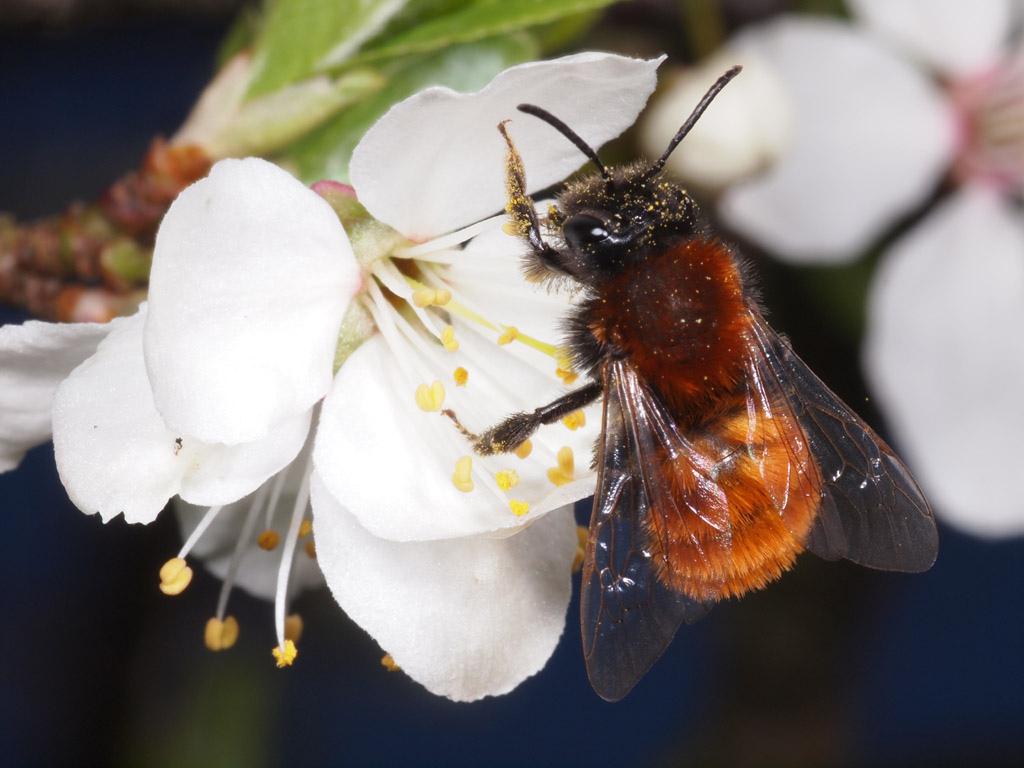
Photo of female: Bernhard Jacobi
Photo of male: Nico Vereecken


You are about to submit a sighting of a tawny mining-bee, Andrena fulva. First, tell us who identified it and provide photos of the record if you have any. This information will help us confirm the record
Contact Details
*
Identification
Please provide the spatial reference of the record. You can enter the reference directly in the Grid Ref box, or search for a place to zoom the map then click on the map to set it. The more the map is zoomed in, the more precise the grid square will be.
*
Please tell us when you saw the record and provide any additional information.
*

Submit a sighting of Anthophora plumipes (hairy-footed flower bee)

Reporting your sightings of Anthophora plumipes

For the first time, BWARS has enabled online recording for this characteristic spring-flying species of bee. No dedicated recording effort of this species has been launched in Britain before and an accurate picture of its current distribution is lacking. Questions we are keen to address include:

  1. What is its current range and distribution?
  2. Is there any sign of range change since the BWARS atlas was published?
  3. What nesting sites are being used?
  4. Which flowers are being visited?

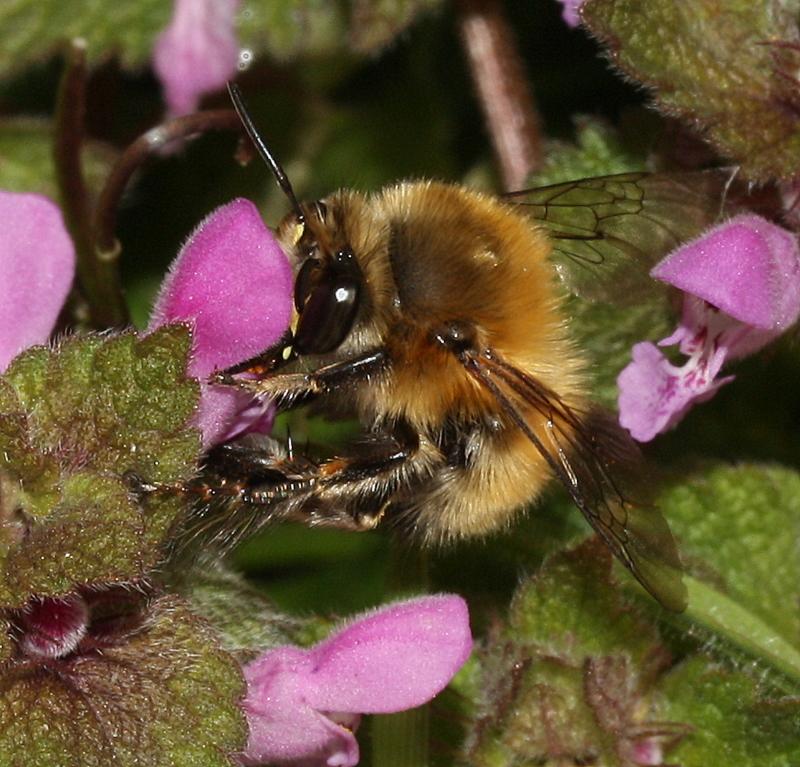
If you have any records of this large, and distinctive solitary bee, please submit the full details via this online recording platform. There is a facility for uploading photographs to support records if you have them. Please include any information on numbers, sexes, flower visitation, nesting sites and behaviour in the "Comments" section.
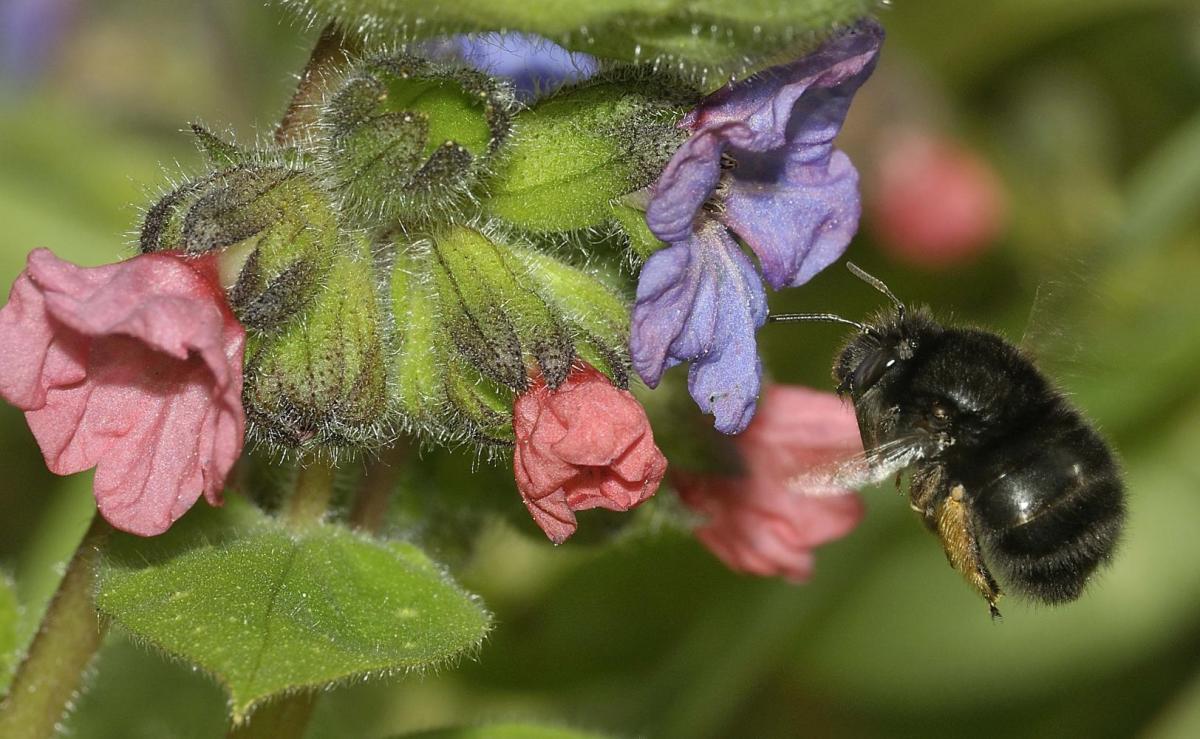
Female at Pulmonaria. Photo: Robin Williams
Male at Lamium. Photo Nick Owens


You are about to submit a sighting of a hairy-footed flower bee, Anthophora plumipes. First, tell us who identified it and provide photos of the record if you have any. This information will help us confirm the record
Contact Details
*
Please provide the spatial reference of the record. You can enter the reference directly in the Grid Ref box, or search for a place to zoom the map then click on the map to set it. The more the map is zoomed in, the more precise the grid square will be.
*
Please tell us when you saw the record and provide any additional information.
*

Submit a sighting of Osmia bicornis (O. rufa: red-mason bee)

Reporting your sightings of Osmia bicornis

For the first time, BWARS has enabled online recording for this characteristic and widespread spring-flying species of bee. No dedicated recording effort of this species has been launched in Britain or Ireland before and an accurate picture of its current distribution is lacking. Questions we are keen to address include:

  1. What is its current range and distribution - especially in Scotland and Ireland (where it is a recent arrival/introduction)?
  2. Is there any sign of range extension since the BWARS atlas was published?
  3. How common is the bee in sites away from cities, towns and villages?
  4. What nesting sites are being used?
  5. Which flowers are being visited?

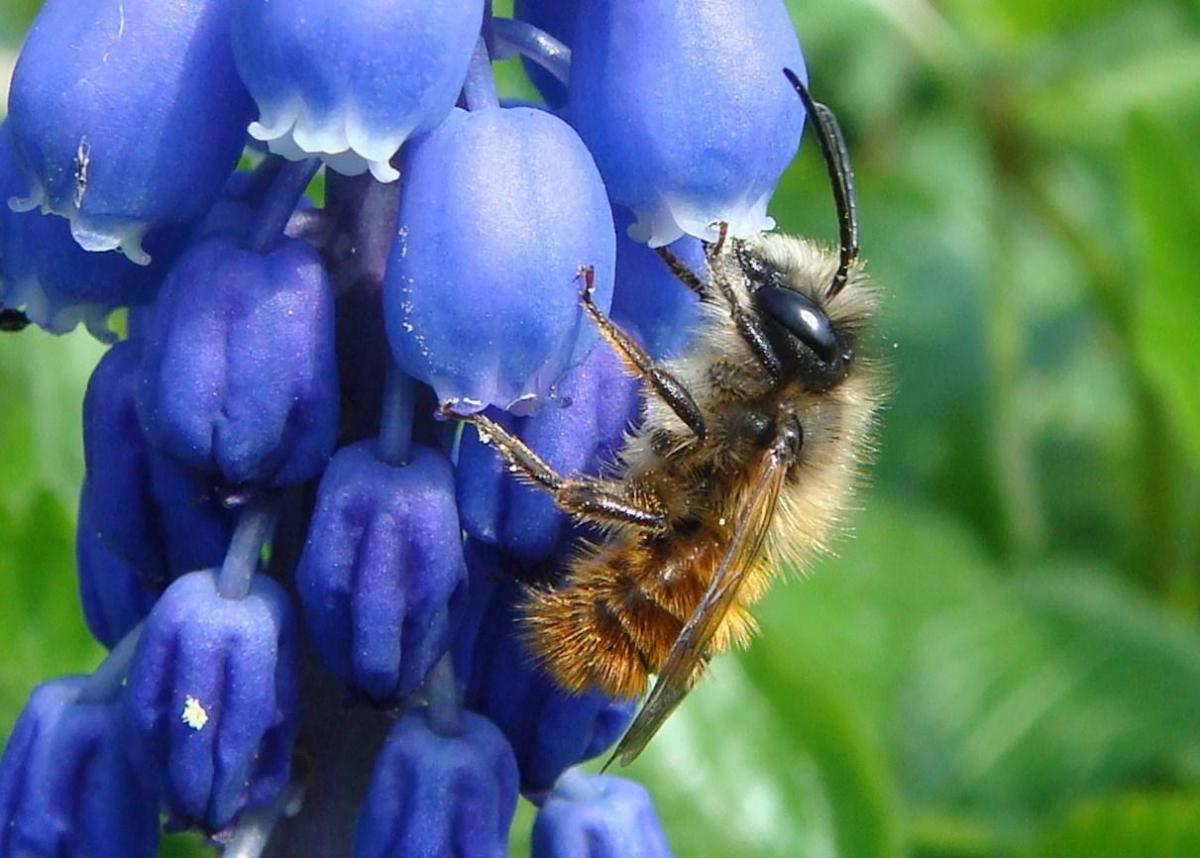
If you have any records of this very distinctive and widely distributed solitary bee, please submit the full details via this online recording platform. There is a facility for uploading photographs to support records if you have them. Please include any information on numbers, sexes, flower visitation, nesting sites and behaviour in the "Comments" section.
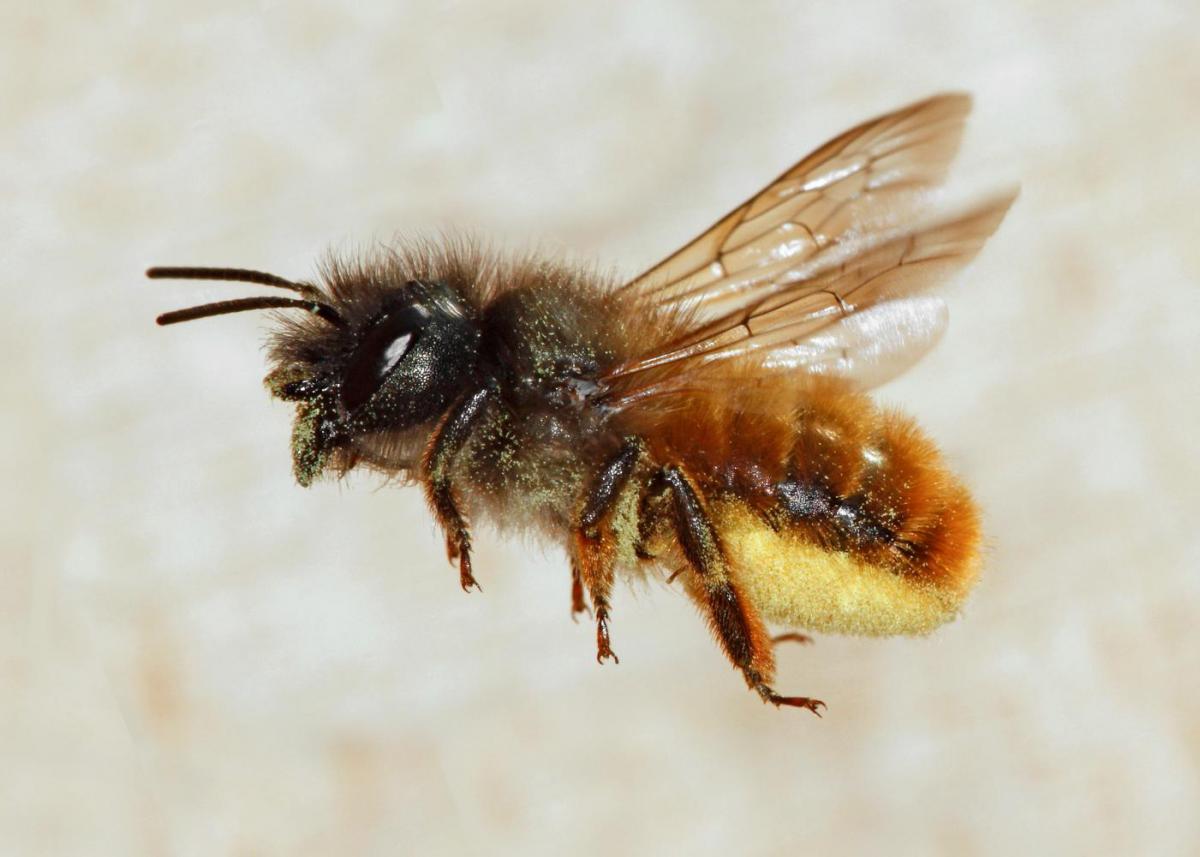
Female O. bicornis. Photo: J. Early
Male O. bicornis Photo: L. Hislop


You are about to submit a sighting of a red mason-bee, Osmia bicornis. First, tell us who identified it and provide photos of the record if you have any. This information will help us confirm the record
Contact Details
*
Please provide the spatial reference of the record. You can enter the reference directly in the Grid Ref box, or search for a place to zoom the map then click on the map to set it. The more the map is zoomed in, the more precise the grid square will be.
*
Please tell us when you saw the record and provide any additional information.
*

Submit a sighting of Colletes hederae (ivy bee)

Reporting your sightings of Colletes hederae

BWARS is continuing its long-term mapping project in which we are plotting and monitoring the spread of Colletes hederae in Britain.

If you have any records of this large, and distinctive late-flying solitary bee, please submit the full details via this online recording platform. There is a facility for uploading photographs to support records if you have them. Please include any information on numbers, sexes, flower visitation, nesting sites and behaviour in the "Comments" section.
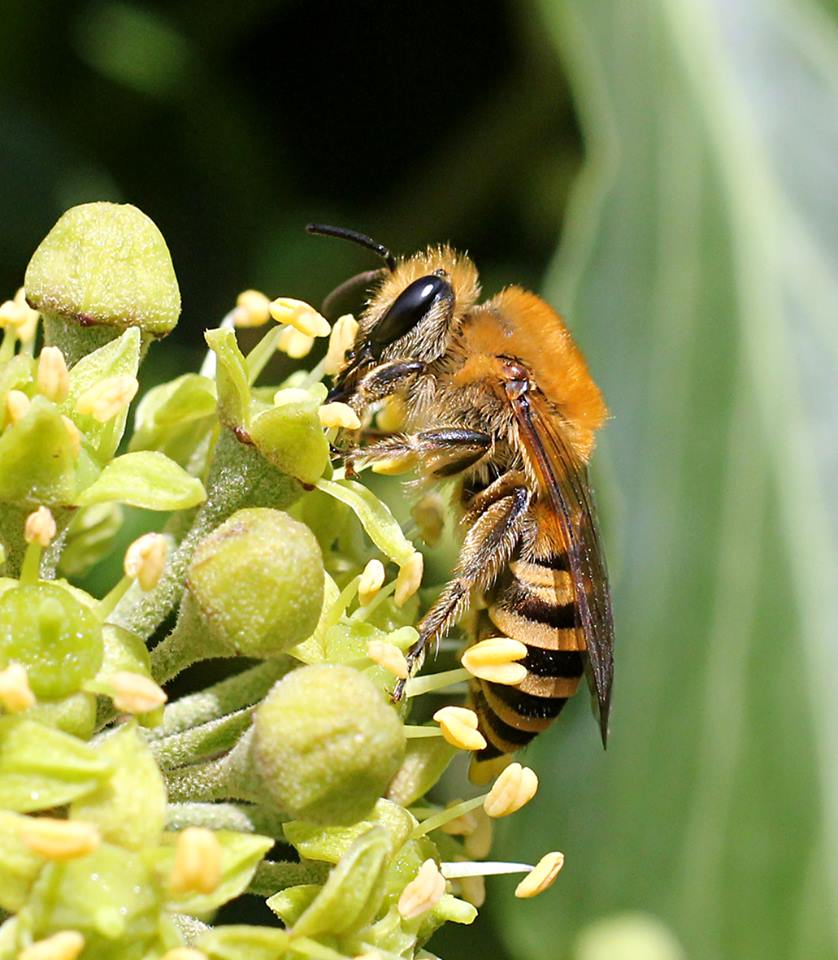
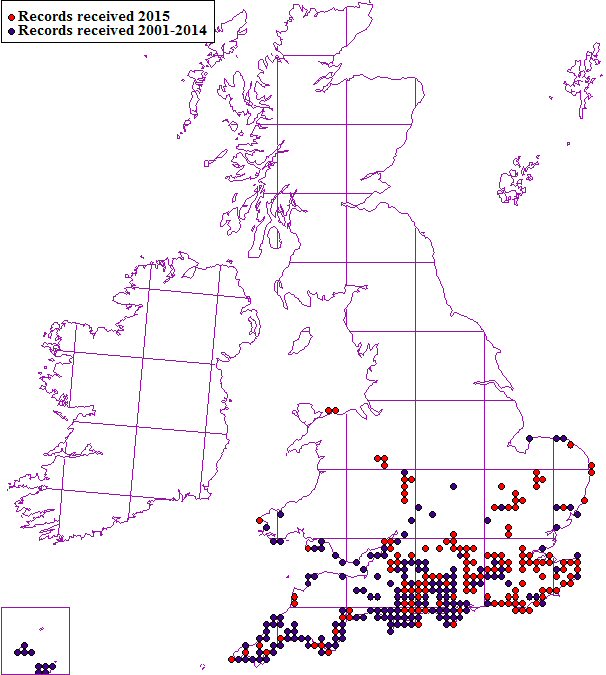
Photo: Penny Frith
Photo: Penny Frith


You are about to submit a sighting of an ivy bee, Colletes hederae. First, tell us who identified it and provide photos of the record if you have any. This information will help us confirm the record
Contact Details
*
Please provide the spatial reference of the record. You can enter the reference directly in the Grid Ref box, or search for a place to zoom the map then click on the map to set it. The more the map is zoomed in, the more precise the grid square will be.
*
Please tell us when you saw the record and provide any additional information.
*

Submit a sighting of Anthidium manicatum (wool carder bee)

Reporting your sightings of Anthidium manicatum

BWARS is continuing to expand its various mapping projects in 2013, and we are now adding a page for the Wool-carder Bee, Anthidium manicatum.

If you have any records of this spectacular, aggressive, territorial and distinctively marked solitary bee, please submit the full details via this online recording platform. There is a facility for uploading photographs to support records if you have them. Please use the boxes below to provide information on numbers, sexes, flower visitation, behaviour and nest sites, and include any additional information in the "Comment" section.
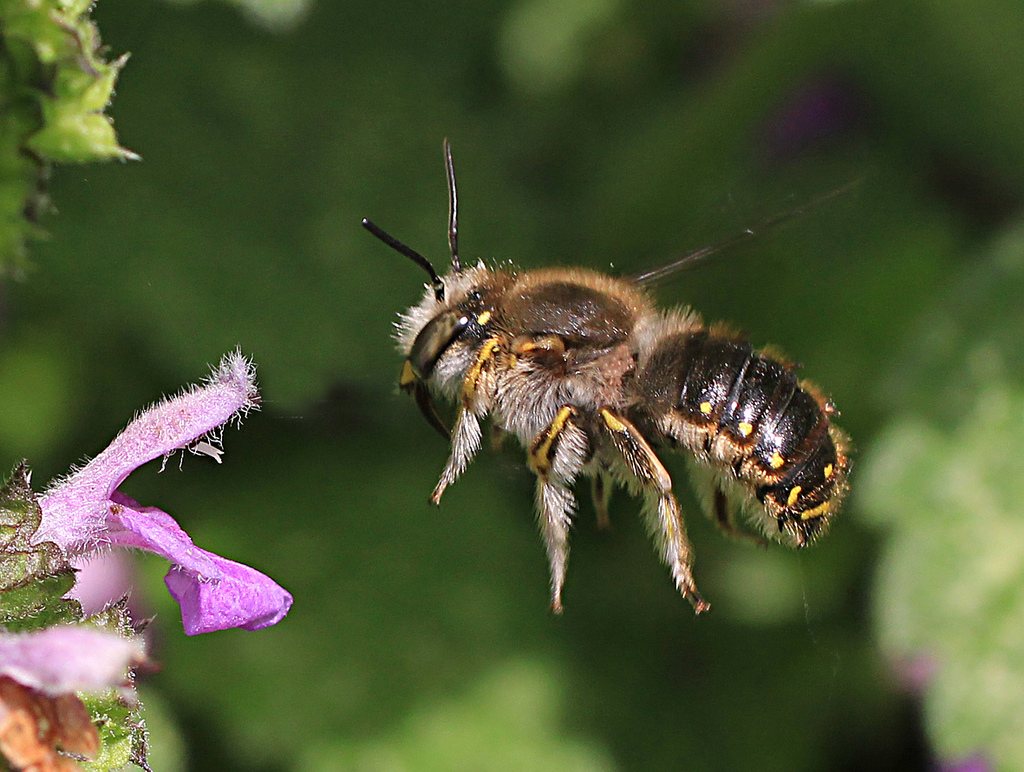
Anthidium manicatum - wool carder bee
Photo: Penny Frith
You are about to submit a sighting of a wool-carder bee, Anthidium manicatum. First, tell us who identified it and provide photos of the record if you have any. This information will help us confirm the record
Contact Details
*
Please provide the spatial reference of the record. You can enter the reference directly in the Grid Ref box, or search for a place to zoom the map then click on the map to set it. The more the map is zoomed in, the more precise the grid square will be.
*
Please tell us when you saw the record and provide any additional information.
*

Submit a sighting of Andrena vaga

Reporting your sightings of Andrena vaga

Andrena vaga is a widespread mining bee in Europe. It is an early season species that collects pollen from willow (Salix species). It has until recently been considered a very rare species, doubtfully native to the UK. Historically, it had been recorded just twice (in Kent) in 1939 and 1946, but not again, until in 2014, numerous specimens were seen at Dungeness, Kent and the Solent coast in Hampshire. It is considered that these are recent arrivals from the continent, rather than emanating from long established populations.

In 2015 A. vaga was recorded from near Tunbridge Wells in Kent, so it may be spreading inland from coastal sites. BWARS is keen to chart the potential spread of A. vaga and will welcome all records. Please try to include a photograph with your record - even poor photos may well be good enough to verify the identification of this distinctive bee. 

BEWARE the similar and very common Andrena cineraria in which the thorax has a black band, whilst A. vaga is white haired across the whole of the top of the thorax. See images below.
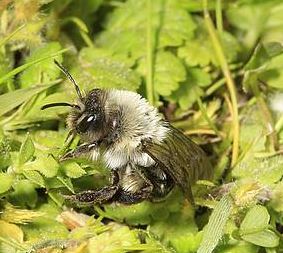
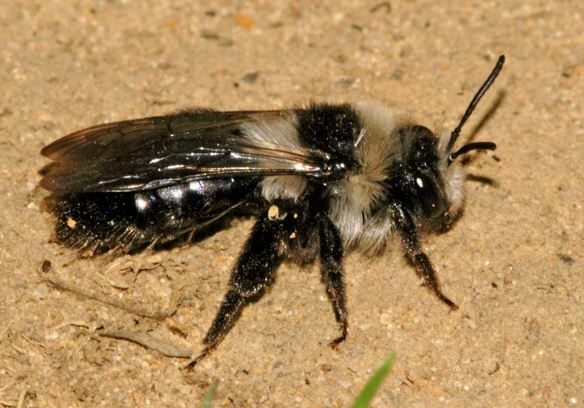
A. vaga photo: R Tidman
A. cineraria


You are about to submit a sighting of Andrena vaga. First, tell us who identified it and provide photos of the record if you have any. This information will help us confirm the record
Contact Details
*
*
Please provide the spatial reference of the record. You can enter the reference directly in the Grid Ref box, or search for a place to zoom the map then click on the map to set it. The more the map is zoomed in, the more precise the grid square will be.
*
Please tell us when you saw the record and provide any additional information.
*

Submit a sighting of Bombus hypnorum (tree bee)

Reporting your sightings of Bombus hypnorum

BWARS is continuing its long-term mapping project in 2017, in which we are plotting and monitoring the spread of Bombus hypnorum in Britain.

If you have any records of this spectacular, and distinctively marked bumblebee, please submit the full details via this online recording platform. There is a facility for uploading photographs to support records if you have them. Please use the boxes below to provide information on numbers, sexes, flower visitation, behaviour and nest sites, and include any additional information in the "Comment" section.
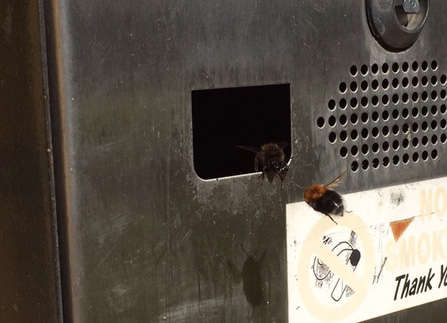
Photo: Steven Marsh
You are about to submit a sighting of a tree bee, Bombus hypnorum. First, tell us who identified it and provide photos of the record if you have any. This information will help us confirm the record.
Contact Details
*
*
Please provide the spatial reference of the record. You can enter the reference directly in the Grid Ref box, or search for a place to zoom the map then click on the map to set it. The more the map is zoomed in, the more precise the grid square will be. To view a satellite photograph click the + sign at top right of the map
*
Please tell us when you saw the record and provide any additional information.
*

Include any additional information you think is relevant to the record.

Submit a sighting of Vespa crabro (hornet)

Reporting your sightings of Vespa crabro


For the first time, BWARS has enabled online recording for this wonderful spring-emerging species of wasp. No dedicated recording effort purely for this species has been launched in Britain before and an accurate picture of its current distribution is lacking. Questions we are keen to address include:

  1. What is its current range and distribution?
  2. Is there any sign of range change since the BWARS atlas was published?
  3. What nesting sites are being used?
  4. When do the first workers appear?

If you have any records of this large, colourful and distinctive social wasp, please submit the full details via this online recording platform. There is a facility for uploading photographs to support records if you have them. Please include any information on numbers, sexes, flower visitation, nesting sites and behaviour in the "Comments" section.

How to identify Vespa crabro
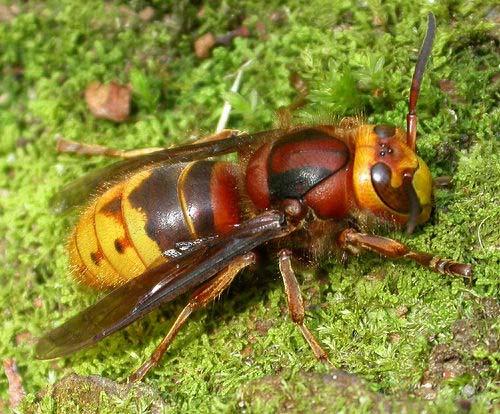
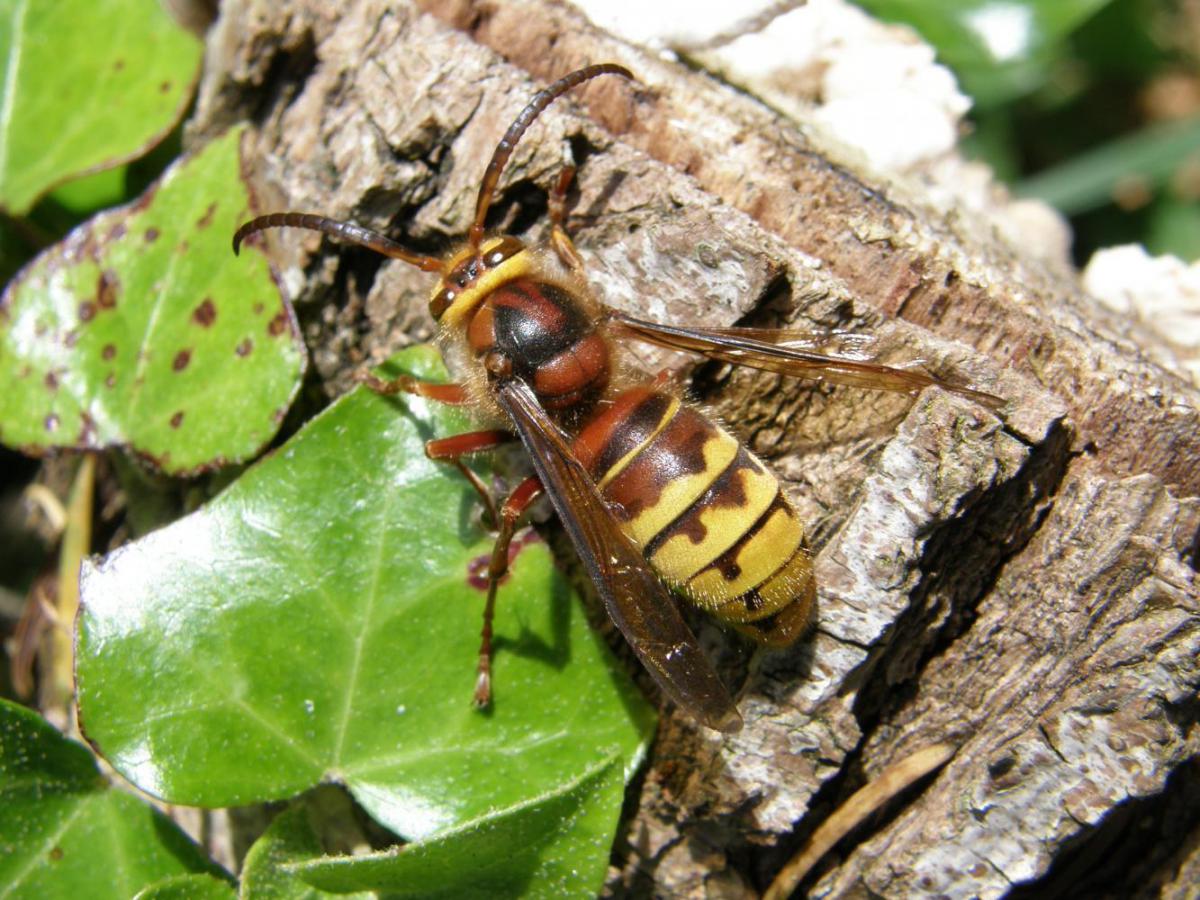
Queen Hornet  Photo: Nigel Jones
Male Hornet  Photo: Steve Falk


You are about to submit a sighting of a hornet, Vespa crabro. First, tell us who identified it and provide photos of the record if you have any. This information will help us confirm the record
Contact Details
*
Please provide the spatial reference of the record. You can enter the reference directly in the Grid Ref box, or search for a place to zoom the map then click on the map to set it. The more the map is zoomed in, the more precise the grid square will be.
*
Please tell us when you saw the record and provide any additional information.
*

Submit a sighting of Andrena cineraria (ashy mining-bee)

Reporting your sightings of Andrena cineraria

For the first time, BWARS has enabled online recording for this characteristic and widespread spring-flying species of bee. No dedicated recording effort of this species has been launched in Britain or Ireland before and an accurate picture of its current distribution is lacking. Questions we are keen to address include:

  1. What is its current range and distribution - especially in Scotland and Ireland?
  2. Is there any sign of further range extension since the BWARS atlas was published?
  3. What nesting sites are being used?
  4. How densely are nests aggregated?
  5. Are there any observations of the special parasite, Nomada lathburiana
  6. Which flowers are being visited?

If you have any records of this very distinctive and widely distributed solitary bee, please submit the full details via this online recording platform. There is a facility for uploading photographs to support records if you have them. Please include any information on numbers, sexes, flower visitation, nesting sites and behaviour in the "Comments" section.
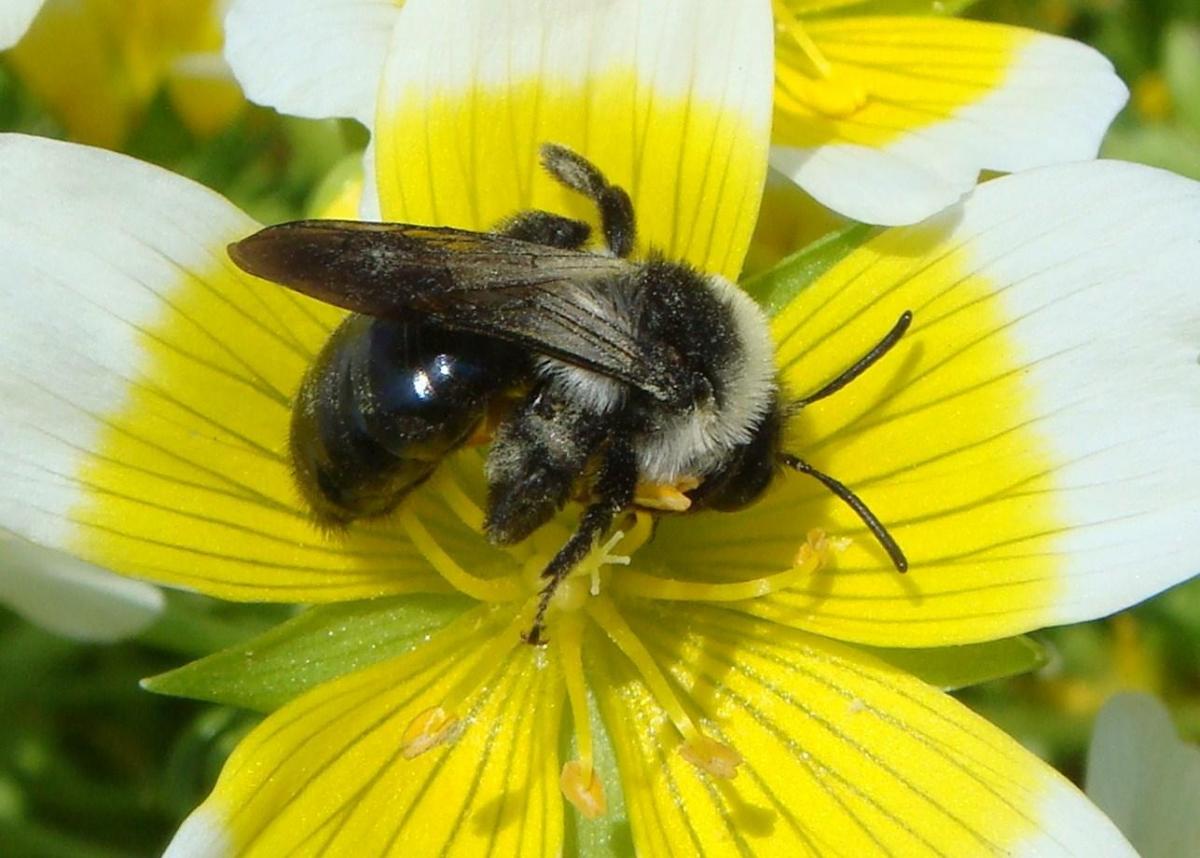
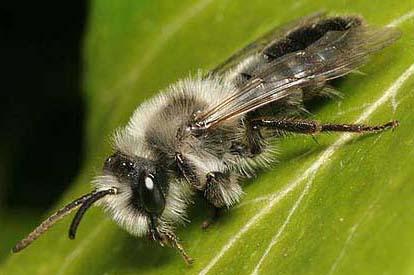
Photo of female: Louise Hislop
Photo of male: Tristan Bantock


You are about to submit a sighting of an ashy mining-bee, Andrena cineraria. First, tell us who identified it and provide photos of the record if you have any. This information will help us confirm the record
Contact Details
*
Please provide the spatial reference of the record. You can enter the reference directly in the Grid Ref box, or search for a place to zoom the map then click on the map to set it. The more the map is zoomed in, the more precise the grid square will be.
*
Please tell us when you saw the record and provide any additional information.
*