My Records
| ID | Species | Common | location_id | Site name | SRef | Date | Zero Abundance | Taxon Group | ||||||
|---|---|---|---|---|---|---|---|---|---|---|---|---|---|---|
| No information available | ||||||||||||||
No records
| ||||||||||||||
| ID | Species | Common | location_id | Site name | SRef | Date | Zero Abundance | Taxon Group | ||||||
|---|---|---|---|---|---|---|---|---|---|---|---|---|---|---|
| No information available | ||||||||||||||
No records
| ||||||||||||||
For the first time, BWARS has enabled online recording for this characteristic spring-flying species of bee. No dedicated recording effort of this species has been launched in Britain before and an accurate picture of its current distribution is lacking. Questions we are keen to address include:
If you have any records of this colourful solitary bee, please submit the full details via this online recording platform. There is a facility for uploading photographs to support records if you have them. Please include any information on numbers, sexes, flower visitation, nesting sites and behaviour in the "Comments" section.
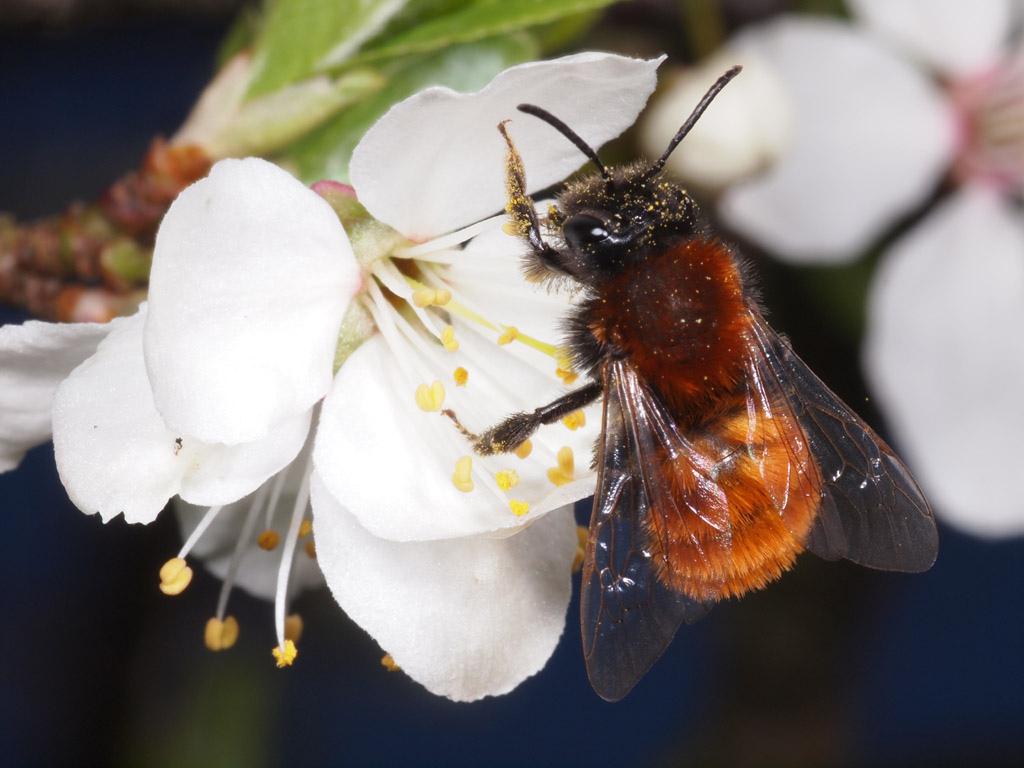
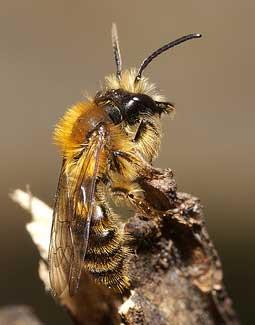
For the first time, BWARS has enabled online recording for this characteristic spring-flying species of bee. No dedicated recording effort of this species has been launched in Britain before and an accurate picture of its current distribution is lacking. Questions we are keen to address include:
If you have any records of this large, and distinctive solitary bee, please submit the full details via this online recording platform. There is a facility for uploading photographs to support records if you have them. Please include any information on numbers, sexes, flower visitation, nesting sites and behaviour in the "Comments" section.
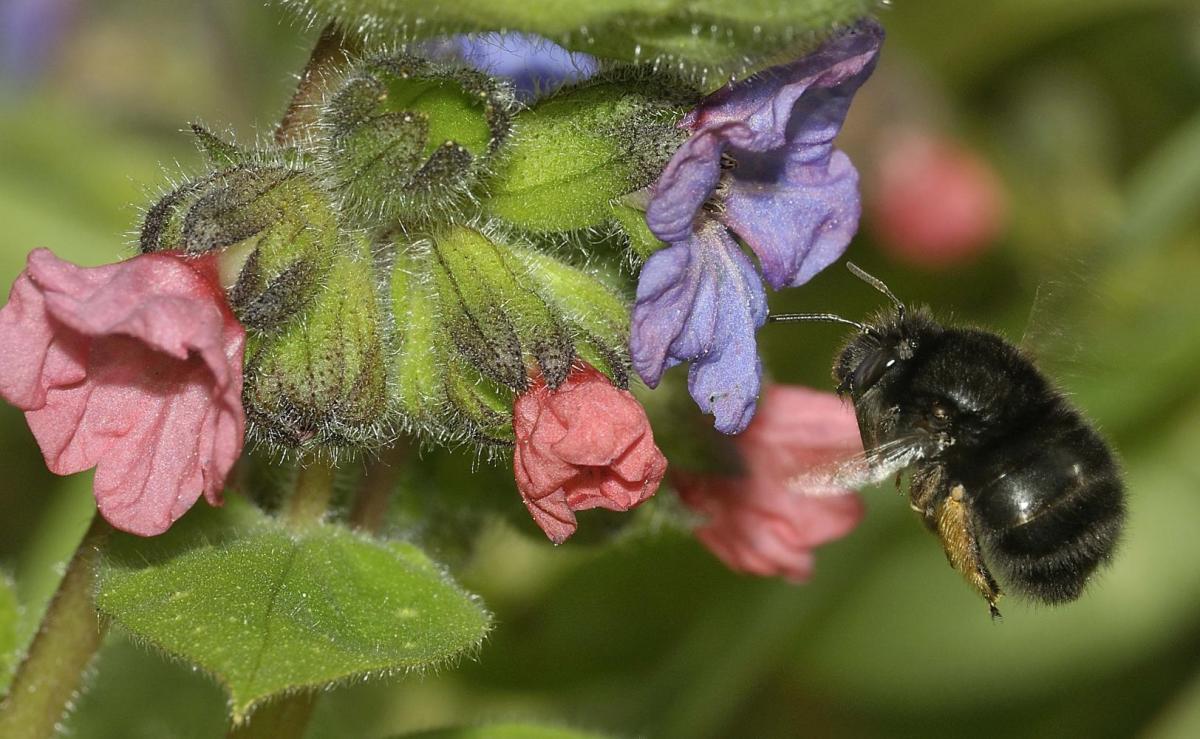
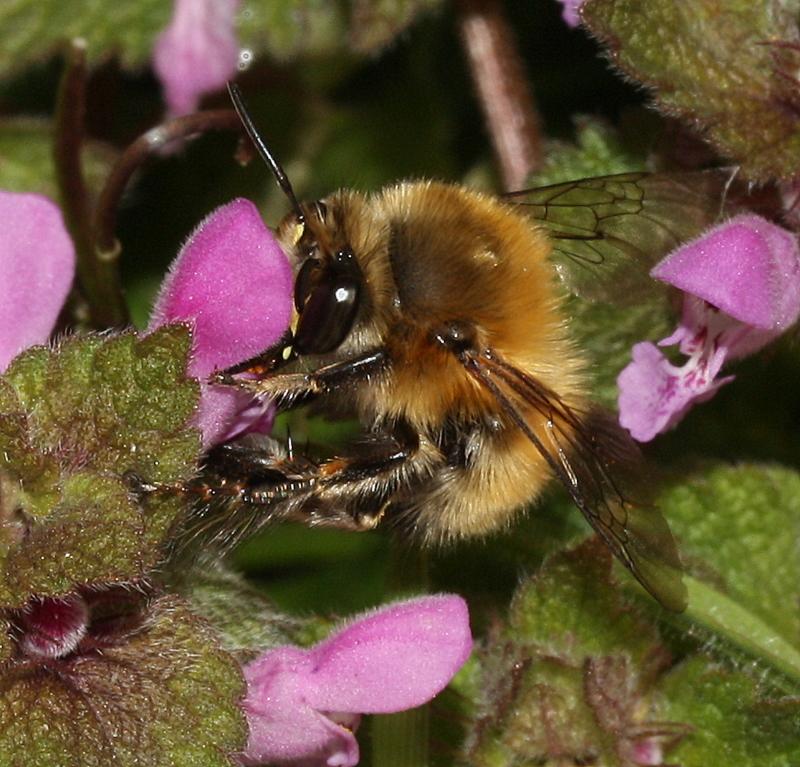
For the first time, BWARS has enabled online recording for this characteristic and widespread spring-flying species of bee. No dedicated recording effort of this species has been launched in Britain or Ireland before and an accurate picture of its current distribution is lacking. Questions we are keen to address include:
If you have any records of this very distinctive and widely distributed solitary bee, please submit the full details via this online recording platform. There is a facility for uploading photographs to support records if you have them. Please include any information on numbers, sexes, flower visitation, nesting sites and behaviour in the "Comments" section.
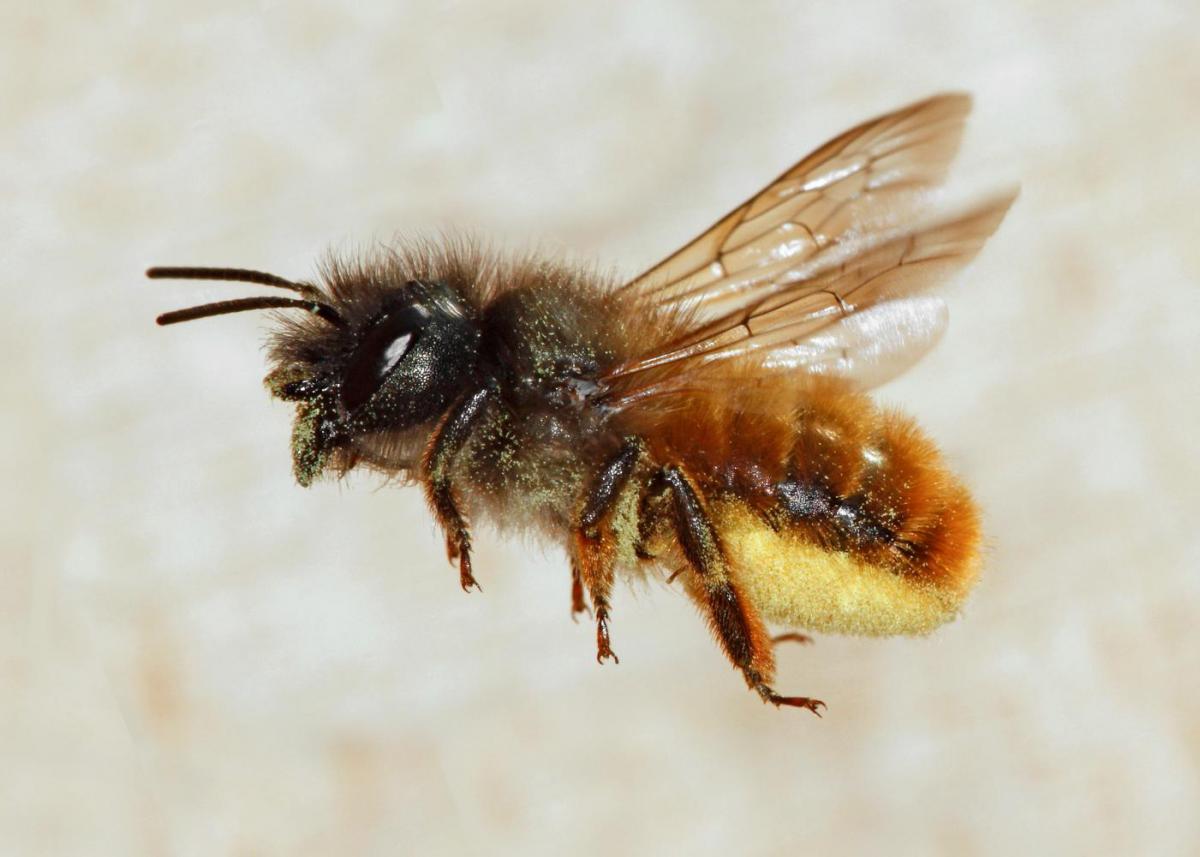
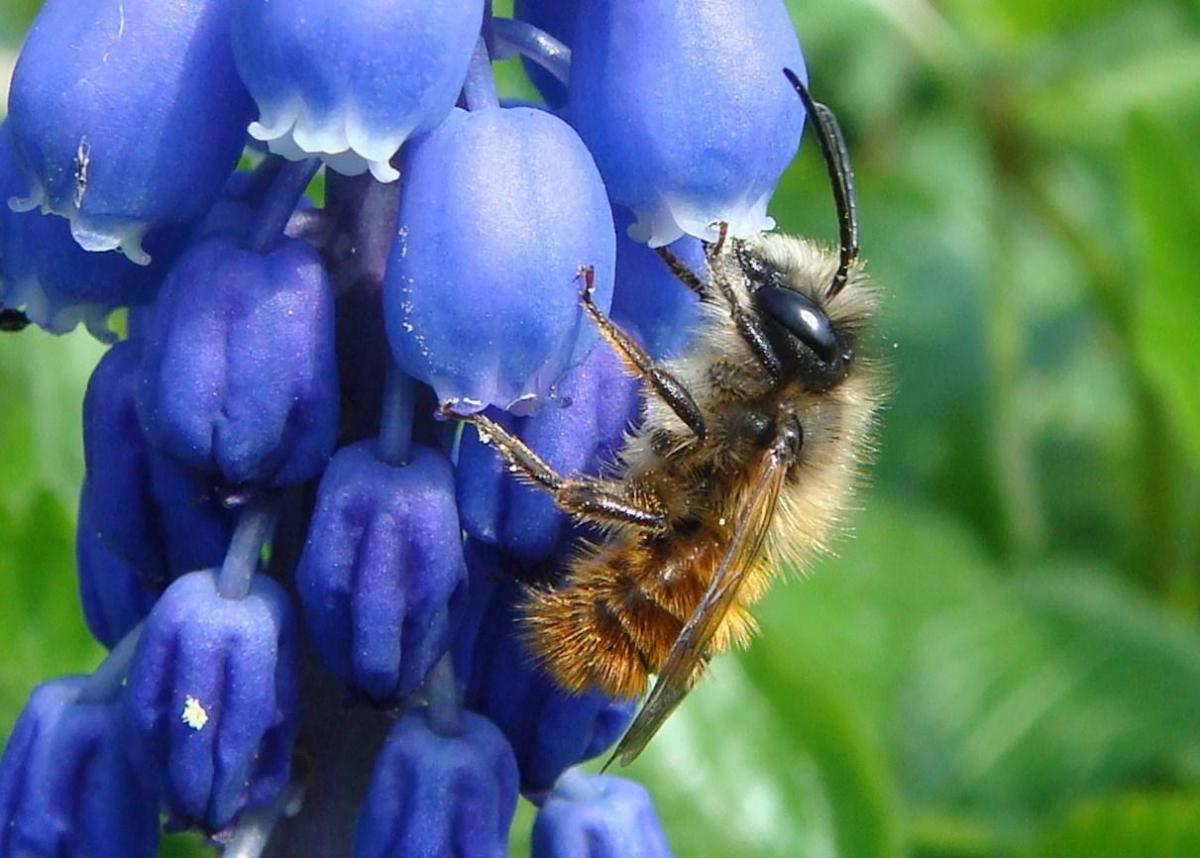
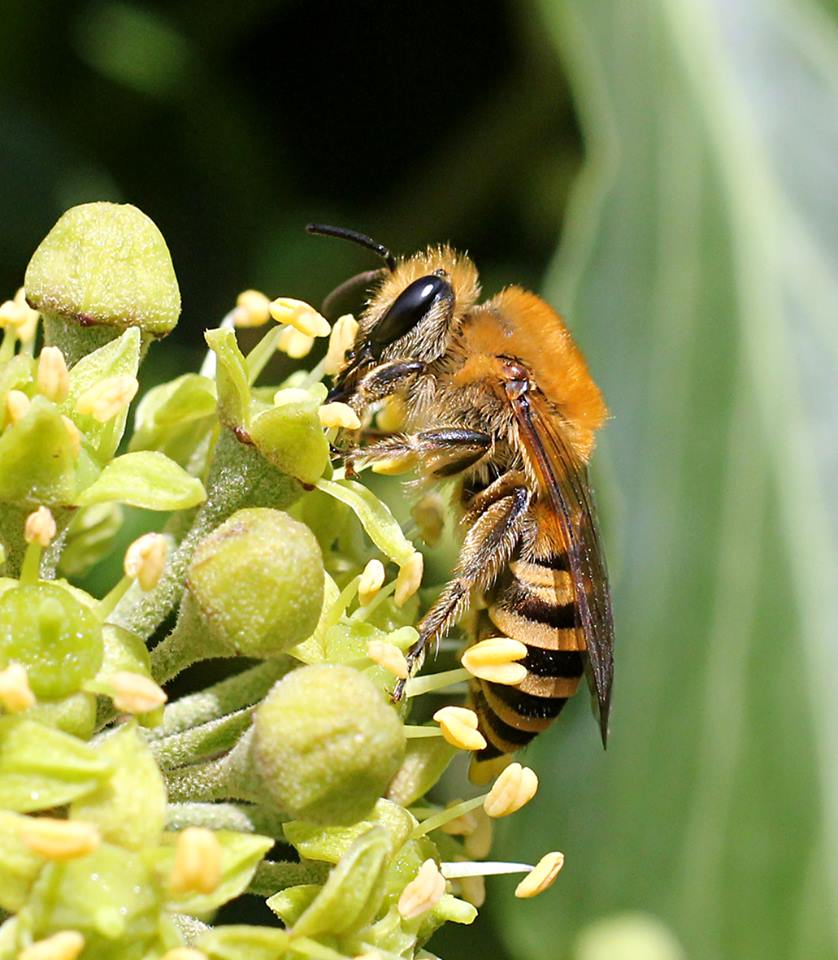
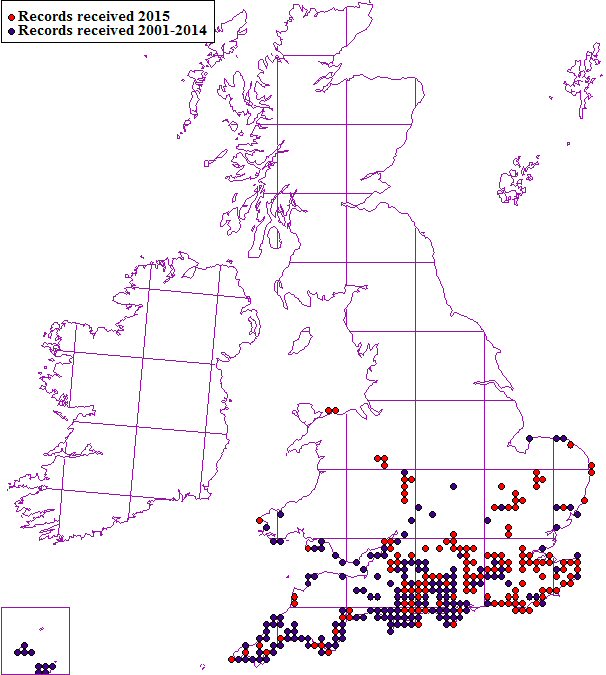
BWARS is continuing its long-term mapping project in which we are plotting and monitoring the spread of Colletes hederae in Britain.
If you have any records of this large, and distinctive late-flying solitary bee, please submit the full details via this online recording platform. There is a facility for uploading photographs to support records if you have them. Please include any information on numbers, sexes, flower visitation, nesting sites and behaviour in the "Comments" section.
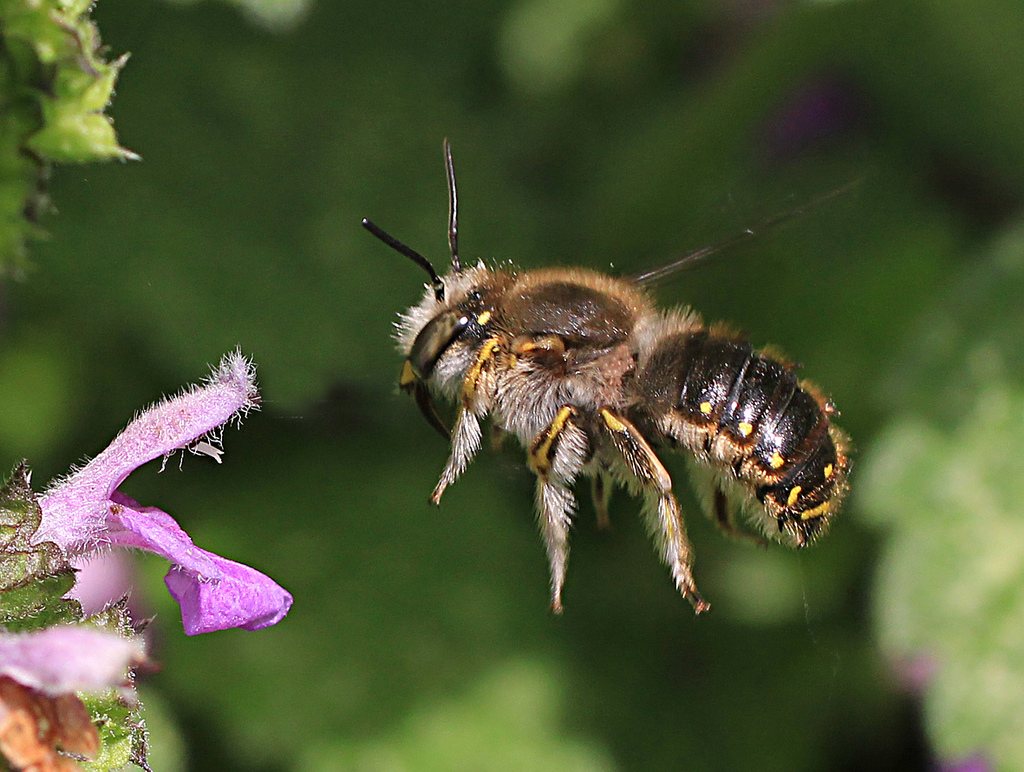
BWARS is continuing to expand its various mapping projects in 2013, and we are now adding a page for the Wool-carder Bee, Anthidium manicatum.
If you have any records of this spectacular, aggressive, territorial and distinctively marked solitary bee, please submit the full details via this online recording platform. There is a facility for uploading photographs to support records if you have them. Please use the boxes below to provide information on numbers, sexes, flower visitation, behaviour and nest sites, and include any additional information in the "Comment" section.
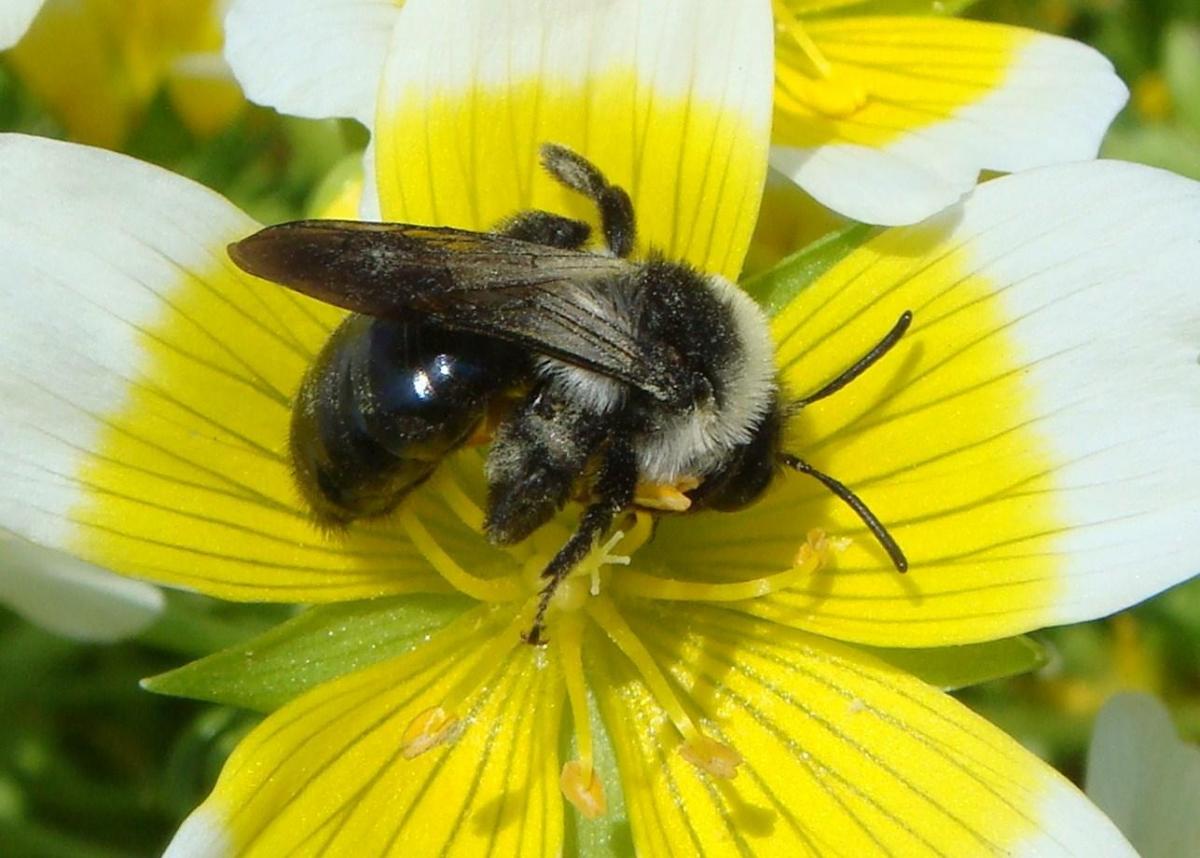
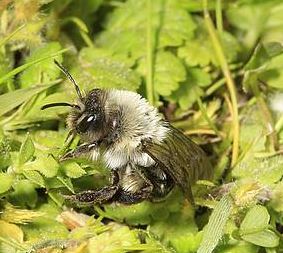
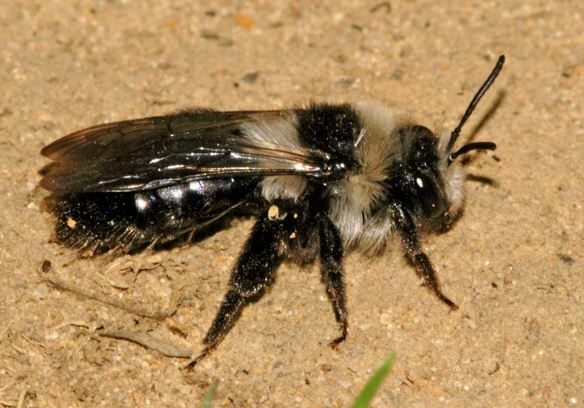
Andrena vaga is a widespread mining bee in Europe. It is an early season species that collects pollen from willow (Salix species). It has until recently been considered a very rare species, doubtfully native to the UK. Historically, it had been recorded just twice (in Kent) in 1939 and 1946, but not again, until in 2014, numerous specimens were seen at Dungeness, Kent and the Solent coast in Hampshire. It is considered that these are recent arrivals from the continent, rather than emanating from long established populations.
In 2015 A. vaga was recorded from near Tunbridge Wells in Kent, so it may be spreading inland from coastal sites. BWARS is keen to chart the potential spread of A. vaga and will welcome all records. Please try to include a photograph with your record - even poor photos may well be good enough to verify the identification of this distinctive bee.
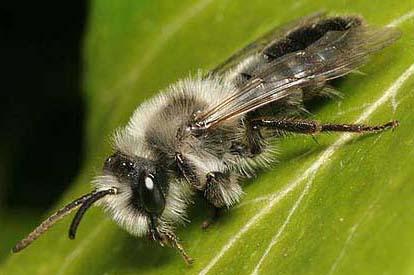
BEWARE the similar and very common Andrena cineraria in which the thorax has a black band, whilst A. vaga is white haired across the whole of the top of the thorax. See images below.
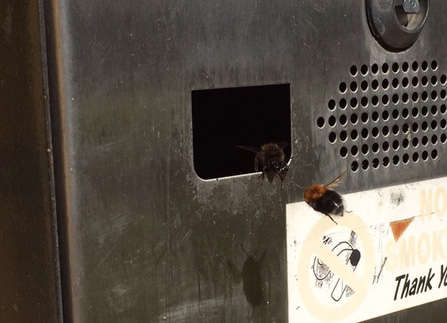
BWARS is continuing its long-term mapping project in 2017, in which we are plotting and monitoring the spread of Bombus hypnorum in Britain.
If you have any records of this spectacular, and distinctively marked bumblebee, please submit the full details via this online recording platform. There is a facility for uploading photographs to support records if you have them. Please use the boxes below to provide information on numbers, sexes, flower visitation, behaviour and nest sites, and include any additional information in the "Comment" section.
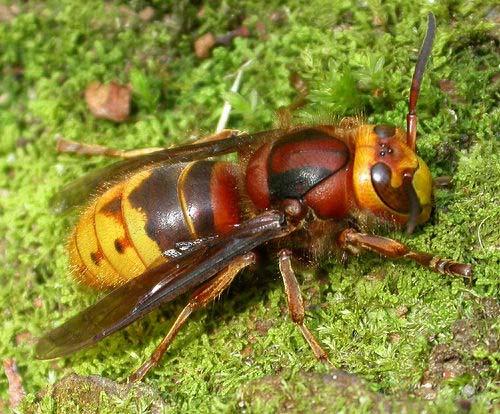
For the first time, BWARS has enabled online recording for this wonderful spring-emerging species of wasp. No dedicated recording effort purely for this species has been launched in Britain before and an accurate picture of its current distribution is lacking. Questions we are keen to address include:
If you have any records of this large, colourful and distinctive social wasp, please submit the full details via this online recording platform. There is a facility for uploading photographs to support records if you have them. Please include any information on numbers, sexes, flower visitation, nesting sites and behaviour in the "Comments" section.
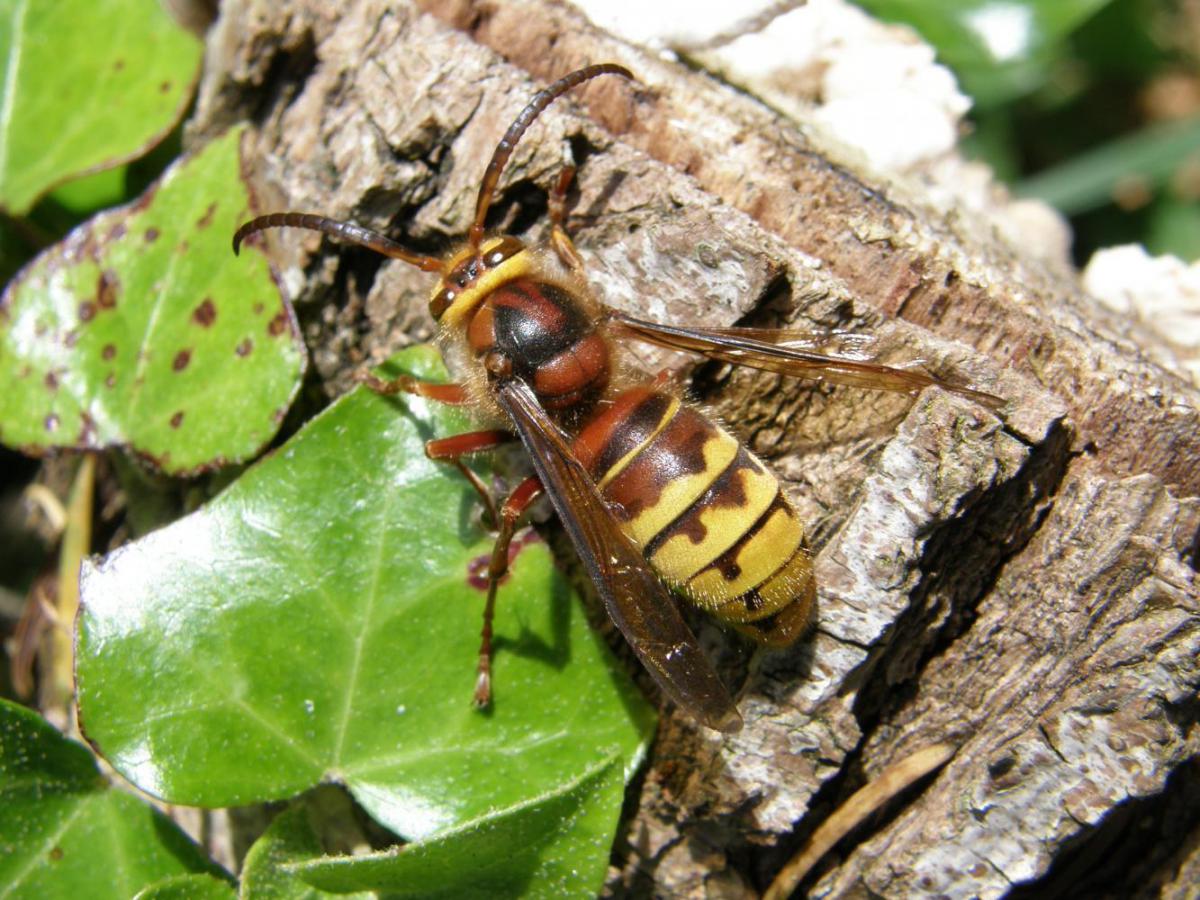
How to identify Vespa crabro
For the first time, BWARS has enabled online recording for this characteristic and widespread spring-flying species of bee. No dedicated recording effort of this species has been launched in Britain or Ireland before and an accurate picture of its current distribution is lacking. Questions we are keen to address include:
If you have any records of this very distinctive and widely distributed solitary bee, please submit the full details via this online recording platform. There is a facility for uploading photographs to support records if you have them. Please include any information on numbers, sexes, flower visitation, nesting sites and behaviour in the "Comments" section.